
Expert Tips on Preparing for Your First African Safari
JA
Choosing the Right Safari Destination
Embarking on your first African safari is an exhilarating experience, but selecting the right destination is crucial. Africa offers a diverse range of ecosystems, each with unique wildlife and landscapes. Popular locations include the Serengeti in Tanzania, Kenya's Maasai Mara, and South Africa's Kruger National Park. Consider what animals you wish to see and the type of terrain you want to explore.
Research the best time to visit each location. For instance, the Great Migration in the Serengeti occurs from June to October, providing an extraordinary spectacle. Meanwhile, South Africa’s dry season from May to September is ideal for wildlife viewing.
What to Pack for Your Safari Adventure
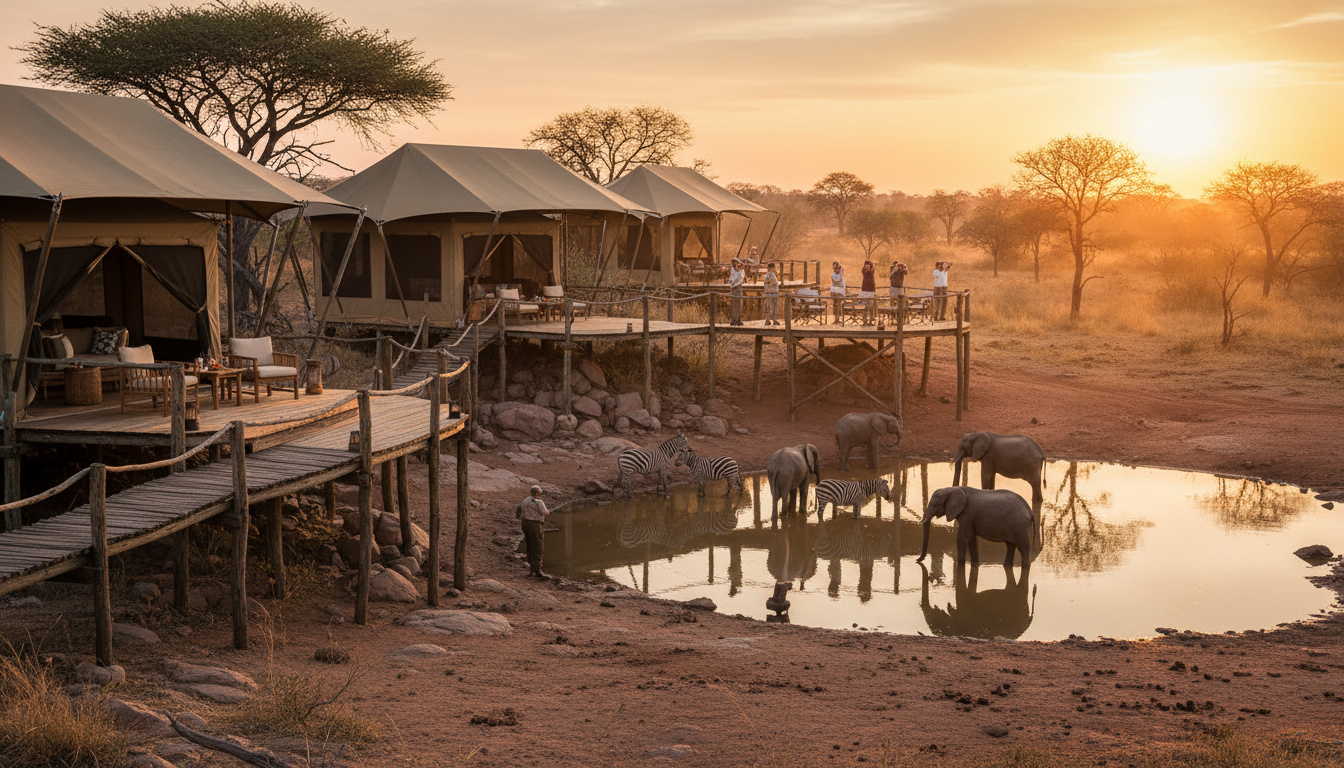
Packing the right gear is essential for a comfortable safari experience. Start with lightweight, breathable clothing in neutral colors to blend into the environment. Essentials include a wide-brimmed hat, sunglasses, and sunscreen to protect against the sun, and a good pair of binoculars for wildlife viewing.
Don’t forget to bring a camera with a zoom lens to capture breathtaking moments. Also, pack a small first aid kit, insect repellent, and any personal medications you might need. Remember, luggage space may be limited on safari vehicles, so pack wisely.
Understanding Safari Etiquette
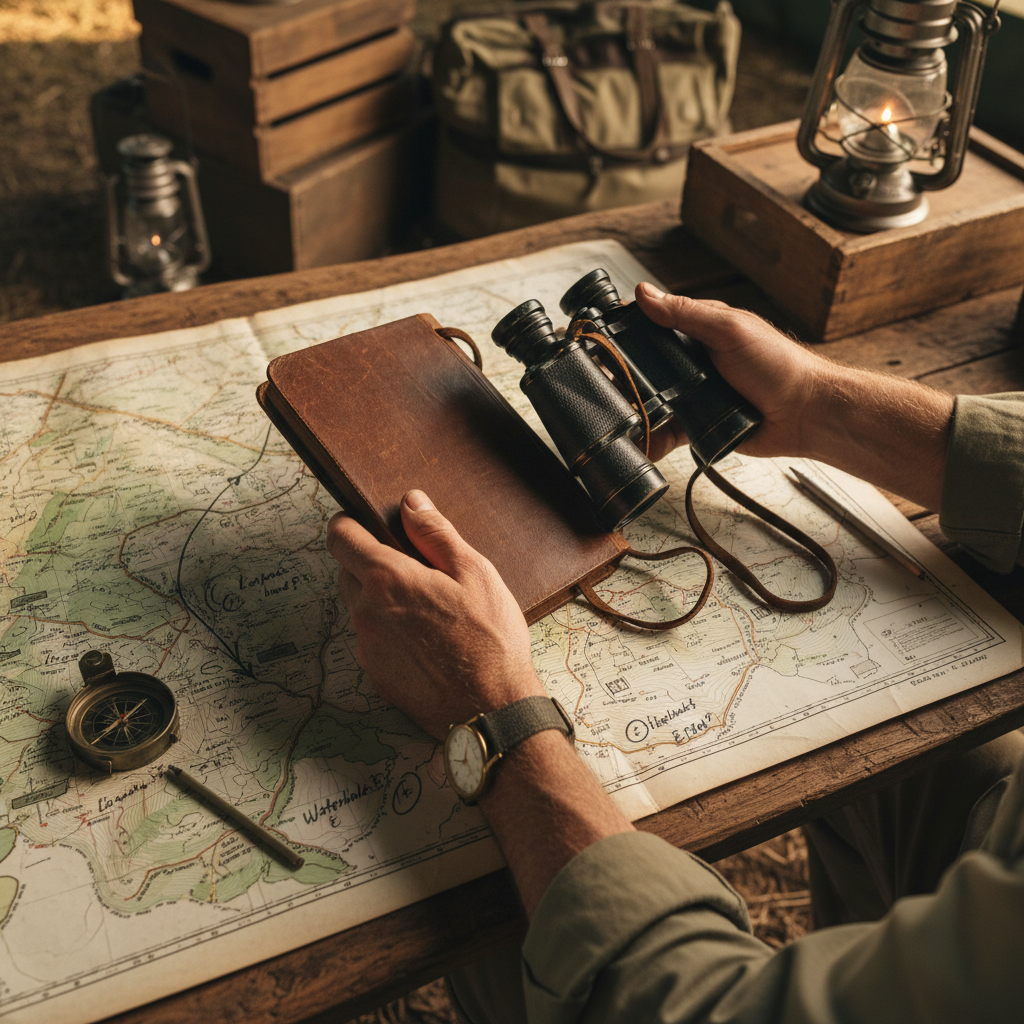
Respecting wildlife and local cultures is paramount on a safari. Always follow your guide’s instructions, maintain a safe distance from animals, and avoid making loud noises that might disturb them. Remember, you are a guest in their natural habitat.
When interacting with local communities, be mindful and respectful of their customs and traditions. Ask for permission before taking photographs of people and be willing to share your experiences and learn from theirs.

Health and Safety Considerations
Your health and safety should be top priorities when traveling. Ensure that you have all necessary vaccinations and malaria prophylaxis before your trip. It’s advisable to consult with a travel health specialist well in advance.
Stay hydrated and apply sunscreen regularly. Be cautious about food and water consumption; choose bottled water and well-cooked meals to avoid any health issues.
Maximizing Your Wildlife Viewing Experience
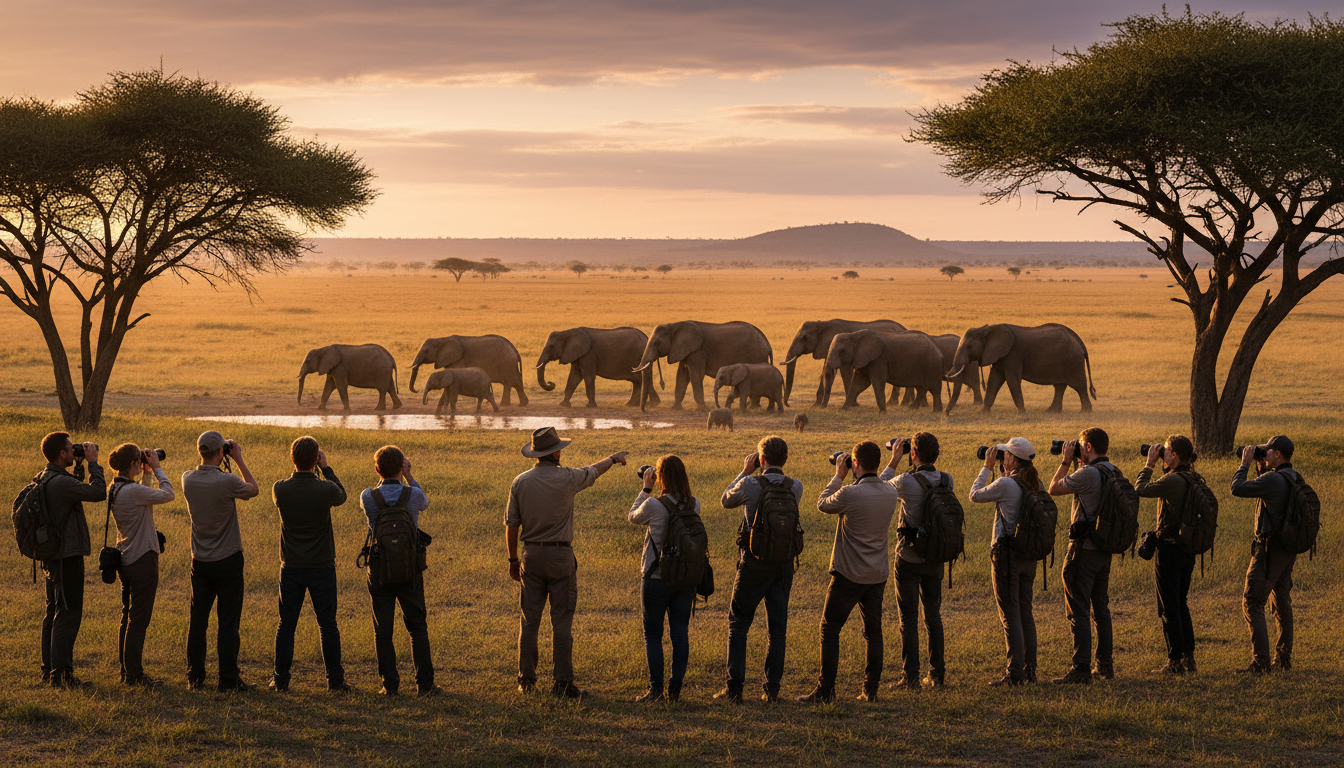
The thrill of spotting wildlife in their natural habitat is unmatched. To make the most of your experience, plan game drives during early morning or late afternoon when animals are most active. Patience is key; sometimes the best sightings happen when you least expect them.
Engage with your guide, who can offer invaluable insights into animal behaviors and the surrounding ecosystem. Their expertise can greatly enhance your understanding and appreciation of the wildlife you encounter.
Considerations for Ethical and Sustainable Travel
Choosing eco-friendly lodges and tour operators is a great way to ensure your safari contributes positively to conservation efforts and local communities. Research companies that prioritize sustainability and support wildlife protection initiatives.
Minimize your environmental impact by following the "leave no trace" principle. Dispose of waste responsibly and be mindful of your energy and water consumption while on safari.

Capturing and Sharing Your Safari Memories
Documenting your safari can be as rewarding as the experience itself. Take plenty of photos and jot down notes in a travel journal to capture your memories. However, remember to live in the moment and not just behind a lens.
Once home, consider sharing your experiences with friends and family or through a blog. Not only does this allow you to relive your adventure, but it also inspires others to embark on their own safari journeys.